
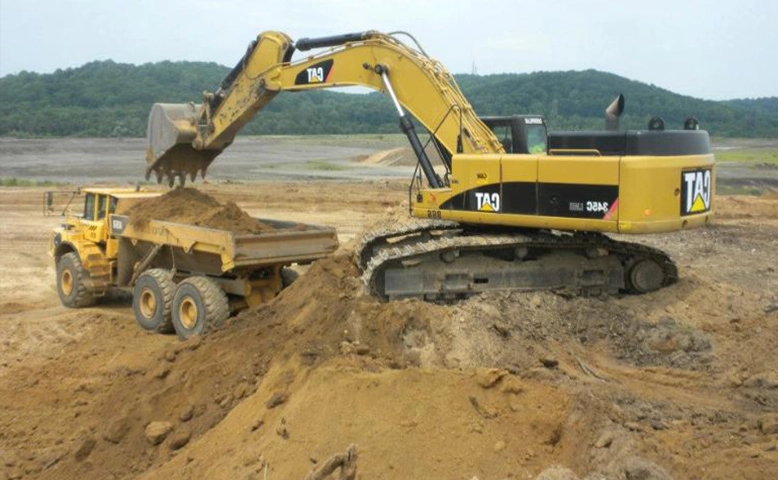
Demolition can look fast from the outside. A wall comes down. A roof disappears. Trucks haul debris away. But safe demolition never starts with swinging equipment. It starts with a plan that protects workers, nearby people, and the property around the site.
That matters to you right away. Good safety steps lower the risk of injuries, delays, fines, and costly damage. They also help a project stay organized from day one. In other words, smart safety is not extra work. It is what keeps the whole job moving.
OSHA treats demolition as especially dangerous because hidden hazards can exist inside the structure, and its standards require a written engineering survey before workers begin. That is why every serious job needs more than hard hats and caution tape. It needs a full system.
In this blog, you will learn the safety measures that matter most before, during, and after demolition. You will also see how these steps help protect people, control costs, and reduce stress.
Start With a Full Site and Structure Review
Before any demolition begins, the site needs a careful review. This is the first big safety step, and it protects everyone who enters the area.
OSHA requires an engineering survey by a competent person before demolition starts. That survey checks framing, floors, walls, and the risk of unplanned collapse. It also covers nearby structures that could be affected.
This review should answer simple but vital questions:
Is the structure stable right now?
Are any walls load-bearing?
Could parts collapse early?
Are there hidden basements, shafts, or weak floors?
Are neighbors, roads, or sidewalks at risk?
This helps you avoid surprises later. And in demolition, surprises are dangerous. A good review also identifies hazards like asbestos, lead, mold, broken glass, and damaged steel. EPA says some demolition projects must be thoroughly inspected for asbestos before work begins.
So, the lesson is simple: inspect first, act second. That one step can save lives.
“Shut Off the Dangers” Before Work Starts
One of the most important demolition safety measures is shutting off all active utilities. This includes electricity, gas, water, sewer, and communication lines.
OSHA’s preparatory rules say utility service must be shut off, capped, or controlled before demolition, unless a utility is needed during the work and protected properly.
This step matters because live utilities can turn a normal job into a crisis. A cut gas line can cause a fire. A live wire can electrocute a worker. A broken water line can flood the site and weaken the ground.
Here is a quick safety table to show what teams should check:
| Utility | Main Risk | Safe Action |
| Power | – Shock – Fire – Arc flash | – Disconnect service – Lock out access – Verify lines are dead |
| Gas | – Explosion – Fire – Toxic release | – Shut off the supply – Cap lines – Confirm with the utility provider |
| Water/Sewer | – Flooding – Slip hazards – Ground damage | – Isolate service – Mark lines – Inspect for leaks |
This step helps you in a very direct way. It lowers the risk of injury, prevents expensive damage, and keeps emergency shutdowns from stopping the whole project.
Use the Right PPE Every Single Time
Personal protective equipment, or PPE, is a basic part of demolition safety. Still, it only works when the gear fits well, stays in good shape, and gets used every time.
Most demolition crews need:
Hard hats
Safety glasses or face shields
High-visibility clothing
Gloves
Steel-toe boots
Hearing protection
Respiratory protection when dust or hazardous material is present
This is not about checking a box. It is about protecting the body from real site hazards. Falling debris can strike the head. Dust can damage the lungs. Loud tools can harm hearing over time.
NIOSH says silica dust exposure is a serious issue in construction, and CDC materials recommend controls such as water and vacuum systems, plus proper respirator use when needed.
That means PPE should match the hazard. A dust mask alone may not be enough in some cases. Teams need the right respirator, the right eye protection, and the right boots for unstable ground.
Safe demolition depends on habits. And one of the best habits is simple: gear up before you step in.
“Control the Dust Before It Controls the Site.”
Dust may seem small, but it can become one of the biggest health risks on a demolition project. It can reduce visibility, irritate the eyes, and carry harmful particles into the lungs.
That is why dust control should never be an afterthought. It should be part of the work plan from the start.
CDC guidance notes that water can keep silica dust out of the air, and vacuum systems with HEPA filtration can capture dust at the source. EPA also requires special care when asbestos-containing material may be present.
Good dust control often includes:
Wetting surfaces before and during demolition
Using HEPA vacuums instead of dry sweeping
Covering debris loads
Limiting dust spread beyond the work zone
Watching wind direction on open sites
This helps you in more than one way. First, it protects workers and neighbors. Second, it supports compliance. Third, it keeps the site cleaner and easier to manage.
If a crew cannot see clearly or breathe safely, the job is already off track.
Safe Equipment Use and Fall Protection
Heavy equipment can make demolition faster, but it can also increase risk when used the wrong way. Operators need training, clear sight lines, and room to work safely.
OSHA’s demolition standards address mechanical demolition, material removal, floor openings, chutes, stairs, and ladders because these tasks bring major fall and struck-by hazards.
Key safety steps include:
Keep workers out of swing zones
Use spotters when visibility is poor
Inspect equipment daily
Do not overload floors with debris
Protect edges, openings, and unstable platforms
Use safe access routes for entry and exit
Falls remain a serious risk, especially during partial demolition, interior tear-outs, and roof removal. A missing rail, weak floor, or open shaft can lead to a life-changing injury in seconds.
So, crews should treat every edge and opening as dangerous until proven safe. Good barriers, warning signs, and supervised access reduce risk fast.
Speed matters on a project. But control matters more.
Keep the Site Clear, Marked, and Restricted
A messy demolition site becomes unsafe very quickly. Piles of debris, blocked paths, poor lighting, and unclear boundaries create risks for workers, visitors, and the public.
That is why smart site control matters. A safe job site should have fencing, warning signs, marked danger zones, and one clear traffic plan for workers, trucks, and equipment.
OSHA’s demolition guidance also covers safe storage and debris handling because overloaded floors and poor material control can contribute to collapse and injury.
What good site control looks like
Clear access paths
Workers need safe ways in and out at all times.
Marked danger zones
No one should wander near falling debris or machine movement.
Clean debris removal
Trash should move out often, not pile up in work areas.
Public protection
Sidewalks, nearby buildings, and vehicles may need barriers or rerouting.
This benefits you because the order saves time. When the site is clear, crews move better, communicate better, and respond faster when something changes.
Train the Crew and Plan for Emergencies
Even the best safety plan fails if no one understands it. So, every demolition project needs clear training before work starts.
Workers should know:
The site hazards
The work sequence
Who is in charge
Where emergency exits are
What to do if a collapse, fire, or exposure happens
Training should also cover equipment use, PPE, reporting hazards, and stopping work when conditions change.
This is where trust grows. When workers understand the plan, they act faster and make better choices. They also speak up sooner when something feels wrong.
Emergency planning matters just as much. A site should have first-aid access, emergency contacts, fire response steps, and a fast evacuation plan. If hazardous materials are possible, the response plan should also cover exposure.
A calm response in a bad moment starts with practice in a normal moment. That is why trained teams usually handle problems better than rushed teams.
Follow the Rules and Document Everything
Safe demolition is not only physical. It is also procedural. A project should have the right permits, inspections, notices, and written records before work begins.
OSHA requires written evidence that the engineering survey was completed before demolition starts. EPA also states that asbestos rules can require notification before certain demolition or renovation work.
Important records may include:
Engineering survey documents
Utility shutoff confirmation
Hazard inspection results
Worker training logs
Equipment inspection checklists
Waste handling records
Permit and notice paperwork
This helps you because documentation reduces confusion and proves that the team took safety seriously. It can also help during inspections, insurance reviews, or project disputes.
Good paperwork may not seem exciting. Still, it protects people and supports accountability. In many cases, it is the proof that a safe plan was in place all along.
Conclusion
The best safety measures for demolition are not flashy. They are careful, steady, and proven. Inspect the structure. Shut off utilities. Use proper PPE. Control dust. Operate equipment safely. Keep the site organized. Train the crew. Follow the rules.
Each step gives you something valuable: fewer injuries, fewer delays, lower risk, and more confidence in the job from start to finish.
For property owners and project managers, that means peace of mind. For workers, it means a better chance of going home safe every day. And for the community around the site, it means less disruption and less danger.
When a project calls for experienced demolition, Lee Werner Excavating provides demolition services backed by decades of field experience in Will County and the surrounding area.