
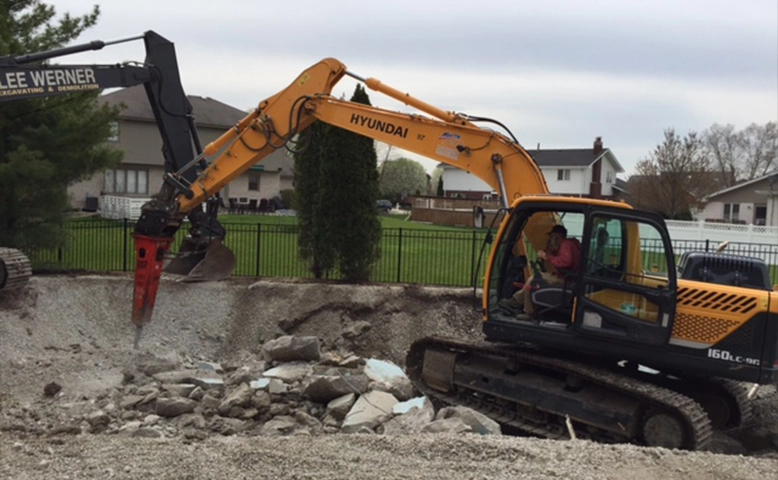
When people hear the word excavation, they often picture a big machine and a pile of dirt. However, good digging takes much more than that. It takes planning, smart technique, and a clear goal. The right method can save time, lower risk, and reduce costly mistakes. That matters whether you are building a home, adding a driveway, fixing drainage, or clearing land.
So, what is in it for you? You get a better idea of how efficient digging works. You also learn why some jobs move fast while others slow down. Most of all, you can spot the techniques that help keep a project safe, clean, and on track. In this blog, we will walk through five proven excavation techniques in plain English. Along the way, you will also get simple tips that make every digging job easier to understand.
Start with site prep before the first scoop
The best digging starts before any bucket hits the ground. First, crews study the site. Then, they mark boundaries, check the soil, and locate underground lines. This step helps prevent delays and damage. It also makes the whole excavation process smoother.
For example, wet soil can slow equipment and cause cave-ins. Rocky ground can also change the plan. Because of that, site prep helps teams choose the best digging method early. In many cases, that saves both money and stress.
A smart site prep plan often includes:
Checking soil type
Marking utility lines
Measuring slope and grade
Planning dirt removal
Setting safe work zones
As the old jobsite saying goes, “Measure twice, dig once.” That advice still works. Good prep makes efficient digging much more likely.
Trenching works well for long, narrow digs
Trenching is one of the most common excavation techniques. It works best for pipes, cables, drainage lines, and footings. Since trenches are long and narrow, this method keeps digging focused and neat.
In many projects, trenching helps crews avoid removing more soil than needed. As a result, cleanup gets easier. It can also reduce fuel use and speed up the job. That is a big win for both cost and time.
Still, trenching needs care. Deep trenches can become dangerous fast. So, workers often use supports, shields, or safe slopes to protect the walls. They also watch for water buildup, which can weaken the soil.
If you need utility work or drainage help, trenching may be the smartest choice. It gives a clean path, limits mess, and supports accurate placement. For efficient digging, that level of control matters a lot.
Benching and sloping improve safety and control
Not every site can use a straight vertical cut. In fact, many digging jobs need extra wall support. That is where benching and sloping come in. These two methods help lower the risk of soil collapse during excavation.
Sloping means cutting the sides at an angle. Benching means making step-like levels in the soil wall. Both methods reduce pressure on the sides of the dig. Because of that, they help workers stay safer.
Here is a quick view:
| Technique | Best Use | Main Benefit |
| Sloping | Loose or soft soil | Helps prevent cave-ins |
| Benching | Deeper open cuts | Adds wall stability |
| Trenching with support | Utility runs | Protects narrow dig areas |
These methods also help crews move with more confidence. That can improve speed without cutting corners. As safety improves, productivity often improves too. Efficient digging is not just about moving dirt fast. It is about moving dirt the right way.
Bulk excavation moves large amounts fast
Bulk excavation is the go-to method for large projects. It works well when crews need to remove a lot of earth from a wide area. This method is common on new building sites, road work, and commercial land prep.
Because the goal is volume, crews often use larger machines. They may also set haul routes, stockpile zones, and dump areas before work begins. That planning helps avoid bottlenecks later.
Bulk digging is useful when you need to:
Lower ground level
Clear land for a slab
Remove unstable soil
Shape a wide building pad
Prepare space for roads or parking areas
This technique saves time on bigger jobs. Even so, it still needs good planning. If trucks cannot move in and out smoothly, the site slows down. So, efficient digging depends on flow as much as force. When soil, machines, and hauling all work together, bulk excavation becomes much more effective.
Precision excavation reduces waste and rework
Sometimes, bigger is not better. On tighter sites, crews need precision excavation. This method focuses on exact digging with less disturbance to the area around it. It works especially well near foundations, landscaping, existing buildings, and utility lines.
Precision digging helps protect nearby structures. It also reduces extra soil removal. That means less backfill, less hauling, and fewer repairs later for property owners, which often means fewer surprises.
Why precision matters
Small errors can become high costs. A few extra inches of digging may not sound serious. Yet they can affect support, drainage, and material use.
Where it helps most
Precision methods shine in tight yards, repair jobs, and detailed grading work. They also work well when access is limited.
As many contractors say, “The cleanest cut is often the cheapest cut.” That is because accuracy reduces waste. So, if the job needs control, precision digging may be the best path to efficient results.
Soil conditions can change the whole plan
Soil plays a huge role in every excavation job. Sandy soil behaves differently from clay. Wet ground behaves differently from dry ground. Because of that, crews must adjust their technique to match conditions.
For instance, clay can hold its shape well when dry. However, it may become heavy and sticky after rain. Sand drains faster, but it can also shift more easily. Rocky soil can slow digging and wear down equipment.
That is why soil checks matter so much. When crews know the ground, they can choose safer angles, better tools, and smarter hauling plans. In turn, the work moves more smoothly.
Readers often want one simple answer. Yet the truth is clear: the ground decides a lot. Efficient digging starts with reading the site correctly. Once the soil is understood, the job becomes easier to manage. That knowledge helps reduce delays, avoid damage, and improve overall excavation results.
Smart equipment matching saves time and effort
Many people think a bigger machine always means faster work. Yet that is not always true. The best results often come from matching the machine to the task. That is a key part of efficient excavation.
A compact excavator may work best in a backyard. On the other hand, a larger machine may handle open land much faster. Crews also choose buckets based on the cut, soil type, and finish needed. So, equipment choice shapes the pace of the whole job.
Good matching helps in three big ways:
It reduces over-digging
It improves fuel use
It limits wear on the site
That last point matters more than many people realize. Heavy machines can damage finished areas or soft ground. Therefore, smart equipment choice protects both the schedule and the property. In simple terms, the right tool helps crews dig better, not just harder.
Efficient digging depends on planning, safety, and follow-through
The top five excavation techniques all matter, but technique alone is not enough. Real efficiency comes from a full process. First, crews plan the site. Next, they choose the right method. Then, they work safely and clean up well.
That full approach brings real benefits to readers. It can shorten timelines, improve safety, and reduce costly fixes. It can also make the project easier to understand from start to finish. That matters whether the job is large or small.
Conclusion
A strong excavation plan usually includes good prep, soil review, safe digging angles, proper equipment, and clear cleanup steps. When those pieces work together, the project has a better chance of staying on track.
In the end, efficient digging is really about smart choices. Use the right method for the site, and results improve. For property owners in Illinois, Lee Werner Excavating brings decades of hands-on excavation experience and has served Will County and surrounding areas since 1978